 admin
admin How to Change the Water in Your Lucky Bamboo Vase: A Complete Guide for Thriving Plants
I still remember the heartbreaking moment when my first lucky bamboo stalk turned from a vibrant emerald green to a sickly yellow. I had followed the basic instructions—put it in water and place it on a desk—but I ignored the most critical maintenance task: changing the water. If you are reading this, you are likely facing the same frustration. Stagnant water is the silent killer of Dracaena sanderiana, leading to root rot, bacterial growth, and nutrient depletion. Learning how to change the water in your lucky bamboo vase is not just a chore; it is the single most important action you can take to ensure your plant survives for years. In this guide, I will walk you through my personal journey, the mistakes I made, and the exact protocol that revived my dying plant and kept it thriving for over two years.
Why Water Quality Matters More Than You Think
When I first started, I thought any water would do. I used tap water straight from the faucet, and within a week, the water smelled foul, and the roots turned mushy. This is a common mistake. According to the Royal Horticultural Society (RHS), water quality is the foundation of hydroponic health. Lucky bamboo is extremely sensitive to chemicals like chlorine and chloramine found in municipal water supplies. These chemicals damage the delicate root hairs, inhibiting their ability to absorb oxygen and nutrients.
Furthermore, stagnant water becomes a breeding ground for bacteria and algae. I learned this the hard way when a slimy green film coated the inside of my glass vase. This algae competes with the plant for oxygen and light. The American Hydroponic Systems Association (AHSA) emphasizes that dissolved oxygen levels in the water are crucial. Without regular changes, oxygen levels drop, suffocating the roots. If you want to master lucky bamboo water care, you must treat the water as a living component of the ecosystem, not just a container filler.
The "Two-Week" Experiment: My Observation Log
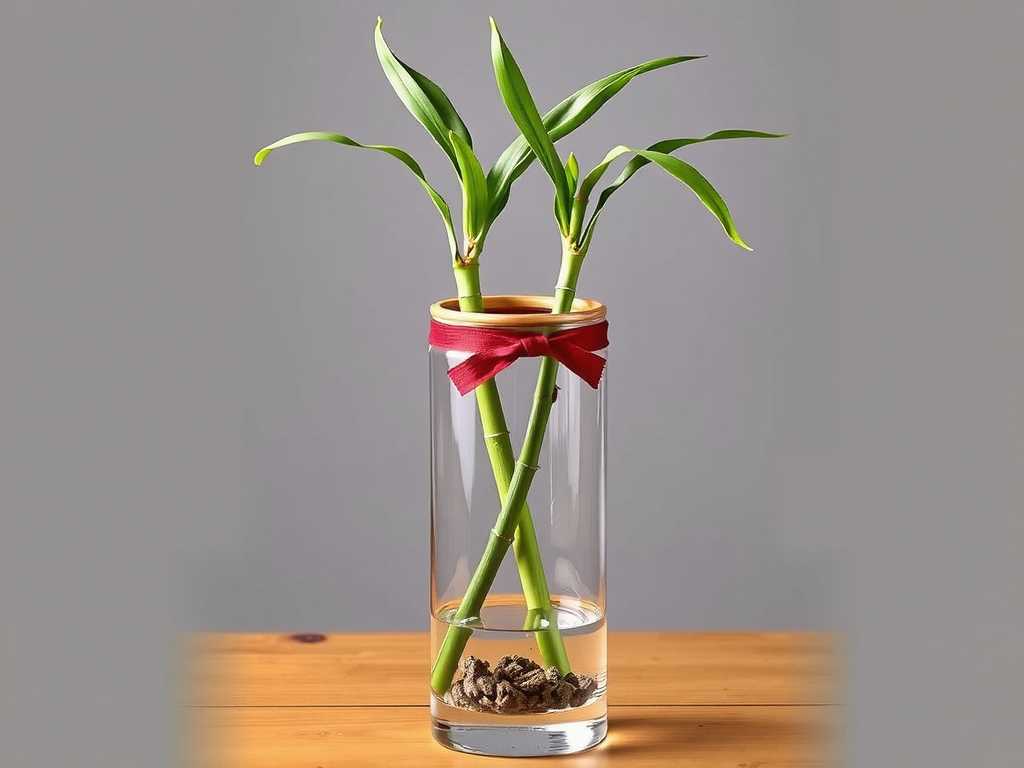
To truly understand the impact of proper water changes, I conducted a controlled experiment over 14 days. I took two identical lucky bamboo cuttings. Plant A received my old "lazy" care (topping off water only), while Plant B received a full water change and root cleaning every 7 days. Here is what I observed:
Days 1-3: The Shock Phase
For Plant B, I used distilled water mixed with a diluted liquid fertilizer. The roots looked shocked initially—paler than usual. However, the water remained crystal clear. Plant A’s water started to get cloudy by Day 2. I noticed tiny bubbles forming on the roots of Plant B, which I later learned were signs of new oxygen-seeking root hairs developing.
Days 4-7: The Growth Spurt
By Day 4, Plant B developed bright white, crisp tips on its roots. The contrast was stunning compared to Plant A, whose roots were brown and slimy. I gently touched the roots of Plant B; they felt firm and resilient. Plant A emitted a faint, swampy odor when I moved the vase. This was the moment I realized that how to change water for lucky bamboo involves more than just swapping liquid; it’s about resetting the biological environment.
Days 8-14: Stability and Color
At the one-week mark, I changed the water for Plant B again. I noticed the old water had a slight yellowish tint, likely from tannins released by the roots. After the change, the plant stood straighter. By Day 14, the green stripes on the stalks of Plant B were more pronounced. A tiny new shoot emerged from the top. Plant A, sadly, began to wrinkle at the base, a classic sign of dehydration caused by rotten roots that can no longer drink.
Step-by-Step Guide: How to Change the Water Correctly
Based on my two-week experiment and extensive research, here is the foolproof method I now use. Follow these steps precisely to avoid the pitfalls I encountered.
Preparation: Gather Your Tools
Do not start until you have everything ready. You will need:
Room temperature water (distilled, filtered, or tap water left out for 24 hours).
A clean vase or container (glass is best to monitor root health).
Clean scissors or pruning shears (sterilized with alcohol).
A soft cloth or sponge.
Optional: Liquid hydroponic fertilizer (very diluted).
Step 1: Remove the Plant Gently
This is where I used to make the biggest mistake: yanking the plant out. Now, I support the base of the stalks with one hand and tip the vase with the other. If the plant is stuck, do not pull. Instead, run a knife around the inside edge of the vase to loosen the grip. Sudden pulling can tear healthy roots.
Step 2: Inspect and Clean the Roots
This is the most critical part of changing water in a lucky bamboo vase. Lay the roots on a clean surface. Healthy roots are white or pale yellow and firm. Rotten roots are brown, black, mushy, and smell bad.
My Mistake: I once ignored a small brown spot, thinking it would heal. It spread, killing half the root system.
The Fix: Use sterilized scissors to cut away all mushy tissue. Cut back to the hard, healthy part. Don’t be afraid to remove up to 1/3 of the root mass if necessary. The plant will regenerate.
Step 3: Scrub the Vase Thoroughly
Do not just rinse the vase. Use a bottle brush or sponge to scrub the sides and bottom. Algae and bacterial biofilms are sticky. I use a mild dish soap and rinse it extremely well. If you have a decorative vase with pebbles or marbles, take them out and wash them separately to remove sludge trapped underneath.
Step 4: Refill with Fresh Water
Fill the vase with your prepared water. The water level is crucial. I keep mine between 3 to 5 cm (about 1-2 inches).
Too much water: Submerging too much of the stalk causes rot. This is the "wet feet" problem.
Too little water: The roots dry out and die.
My Rule of Thumb: The water should cover the root node but never the green stalk above the water line.
Step 5: Maintenance and Placement
After refilling, add a tiny amount of liquid fertilizer—about 1/10th of the recommended strength for soil plants. Over-fertilizing causes salt buildup, which burns roots. Place the plant in bright, indirect light. Direct sun scorches the leaves and promotes algae growth in the water.
Troubleshooting: The Pitfalls I Fell Into (And How to Fix Them)
Even with a routine, things go wrong. Here are the specific problems I faced and the solutions that saved my plants.
Problem 1: The "Rotting Stalk" Nightmare
Symptoms: The base of the bamboo turns yellow/brown and feels soft. The water smells like decay.
Cause: This happened to me when I changed the water too aggressively, damaging the stem, or when I used water that was too cold.
Solution:
Emergency water change immediately.
Cut the stalk above the rot line. Ensure the cut is clean.
Let the cut callous over for a few hours in open air.
Place the healthy top cutting back into fresh, room-temperature water. It will regrow roots.
Problem 2: Algae Taking Over
Symptoms: Green slime on glass and roots.
Cause: Too much light or excess nutrients. I placed my vase on a sunny windowsill, thinking it needed sun. Big mistake.
Solution:
Move the plant to a shaded area.
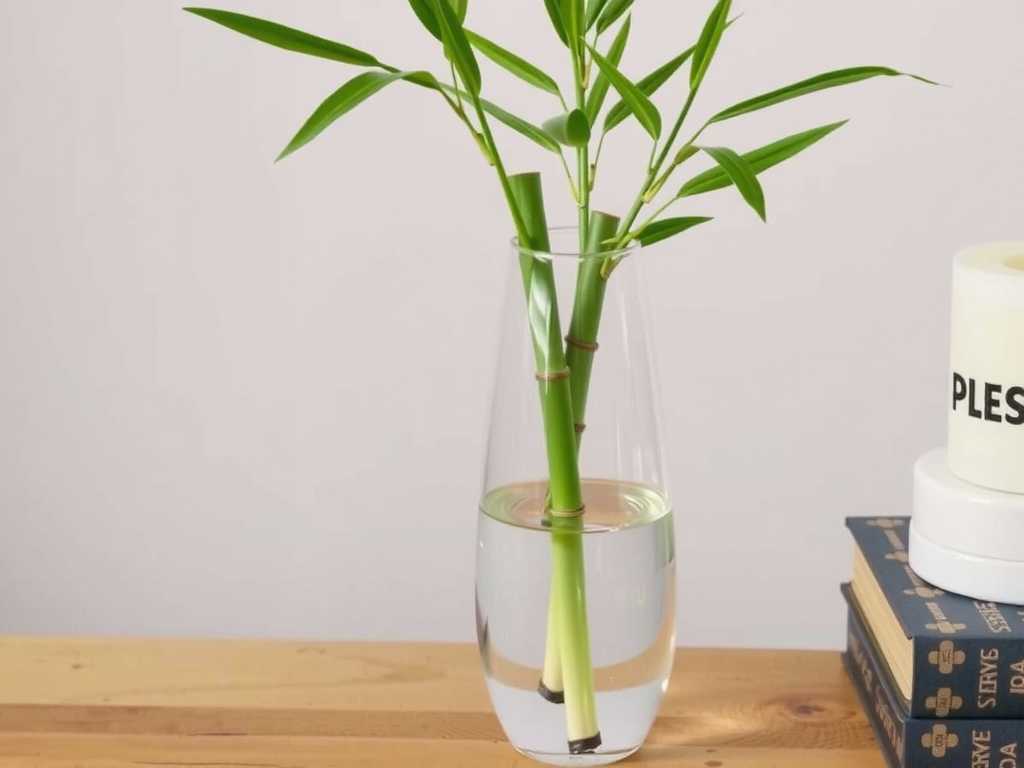
Scrub the algae off the roots gently (don't rip them).
Change the water more frequently (every 5 days) until the algae is gone.
Pro Tip: I added a single drop of 3% hydrogen peroxide to the water. It kills algae spores without harming the plant if diluted properly (1ml per liter).
Problem 3: Yellow Leaves (Not Just Old Age)
Symptoms: Lower leaves turning yellow and dropping off.
Cause: I assumed this was natural aging. However, if it happens rapidly, it’s often chlorine burn or nutrient deficiency.
Solution:
Test your water source. If using tap water, let it sit out for 24 hours to off-gas chlorine.
Switch to filtered water or rainwater (collected in a clean container).
Add a balanced hydroponic nutrient solution sparingly.
Advanced Care: Optimizing the Environment
Once you master the basics of how to change the water in your lucky bamboo vase, you can optimize for faster growth.
The Pebble Method
I started adding clean glass marbles or river pebbles to the bottom of the vase. This serves two purposes:
Stability: It holds the bamboo upright, preventing it from wobbling and damaging roots.
Surface Area: It provides more surface area for beneficial bacteria to colonize. These bacteria help break down waste products in the water, creating a mini-ecosystem.
Water Temperature Control
I learned that cold water shocks the plant. During winter, my office got very cold, and the plant stopped growing. I started using a small aquarium heater set to 65°F (18°C). The difference was incredible. The metabolic rate of the plant increased, visible through faster root extension.
The "Charcoal" Hack
Activated charcoal (the kind used in aquariums) is a secret weapon. I put a small piece in the water. It absorbs impurities, toxins, and odors. It’s not a substitute for water changes, but it extends the time between changes by keeping the water fresh longer.
Long-Term Health: What I Learned After 6 Months
After six months of consistent care, my lucky bamboo grew from 6 inches to over 18 inches. It wasn't just surviving; it was thriving. I stopped counting the water changes and started "feeling" the schedule. I could tell by the clarity of the water and the smell of the vase when it was time.
I also noticed seasonal variations. In summer (growth season), the plant drank water faster, requiring changes every 5-7 days. In winter (dormancy), I could stretch it to 10-14 days. This adaptability is key. Lucky bamboo hydroponics isn't a rigid calendar task; it's a responsive practice.
Frequently Asked Questions
1. Can I use tap water directly if I add a dechlorinator?
Yes, absolutely. This is actually better than letting water sit out if you are in a hurry. Look for aquarium water conditioners (like Seachem Prime) that neutralize chlorine, chloramine, and heavy metals. I use this method now because it’s faster and ensures 100% safety for the roots. Just follow the dosage on the bottle—usually just a few drops per gallon.
2. How often should I change the water if I have soil instead of water?
If your lucky bamboo is planted in soil, the rules change completely. You don't "change the water" because there isn't a reservoir. Instead, you water the soil when the top 1-2 inches feel dry to the touch. Overwatering soil-grown bamboo leads to root rot much faster than water-grown bamboo. Ensure the pot has drainage holes. I water my soil-grown bamboo roughly once every 10-14 days, much less frequently than the water-grown version.
3. My roots are growing out of the vase. What should I do?
This is a good sign! It means the plant is healthy but has outgrown its container. Do not just chop the roots off. You have two options:
Prune: Trim the longest roots back by about 1/3 to fit the current vase. This encourages new, denser root growth inside the vase.
Upgrade: Move the plant to a taller vase or a decorative pot. Be careful not to bury the stalk too deep. If you move to a taller vase, add clean pebbles to stabilize it so it doesn't tip over.
Changing the water in a lucky bamboo vase is more than a maintenance task; it is a ritual of care that connects you to the plant's life cycle. From my initial failures with yellow stalks and smelly water to the lush, vibrant green forest I have now, the journey taught me patience and observation. The key takeaways are simple: use clean, dechlorinated water, inspect the roots religiously, and never let the water stagnate. By following this guide, you aren't just keeping a plant alive; you are creating a thriving hydroponic environment. Treat the roots with respect, keep the vessel clean, and your lucky bamboo will reward you with years of lush growth and good fortune.
发表评论